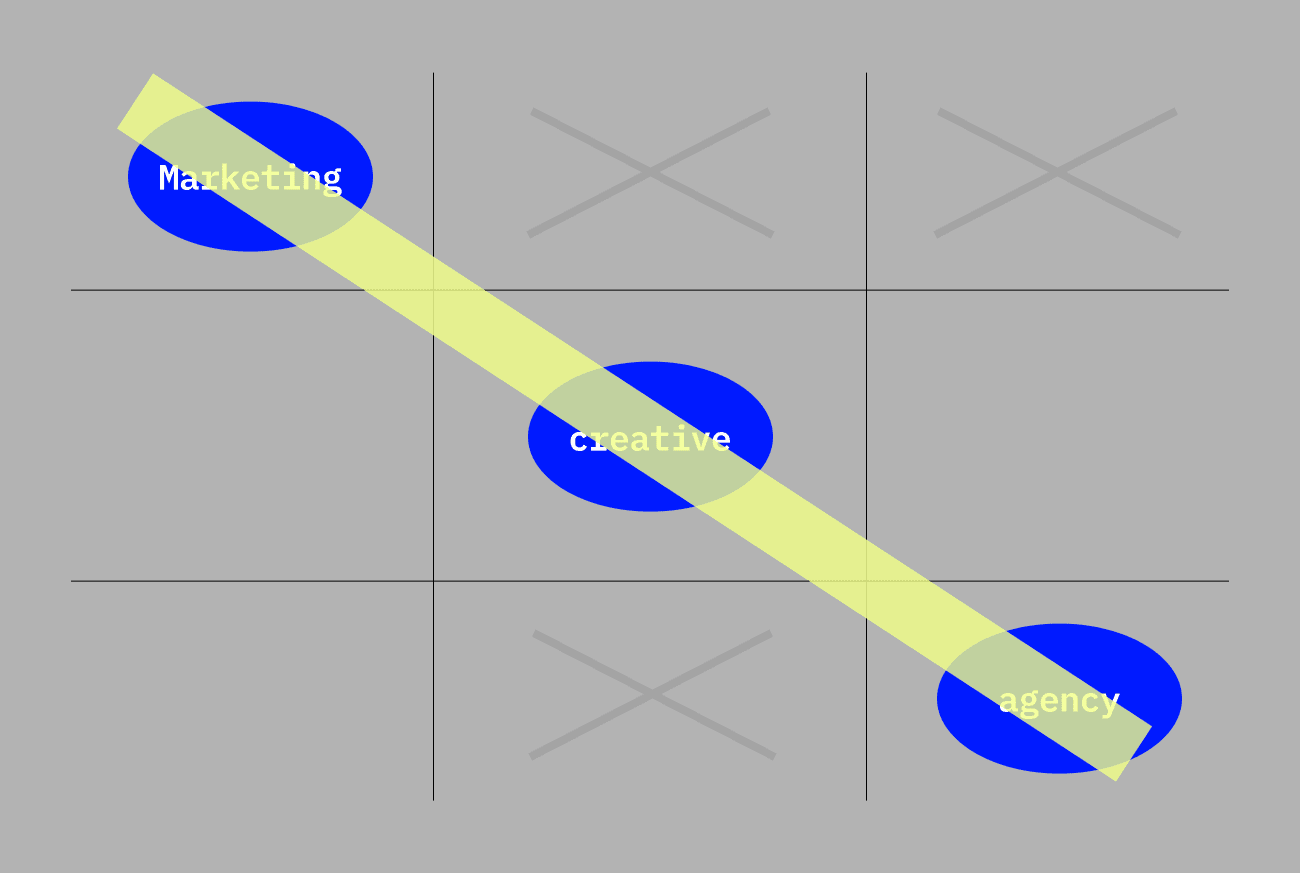

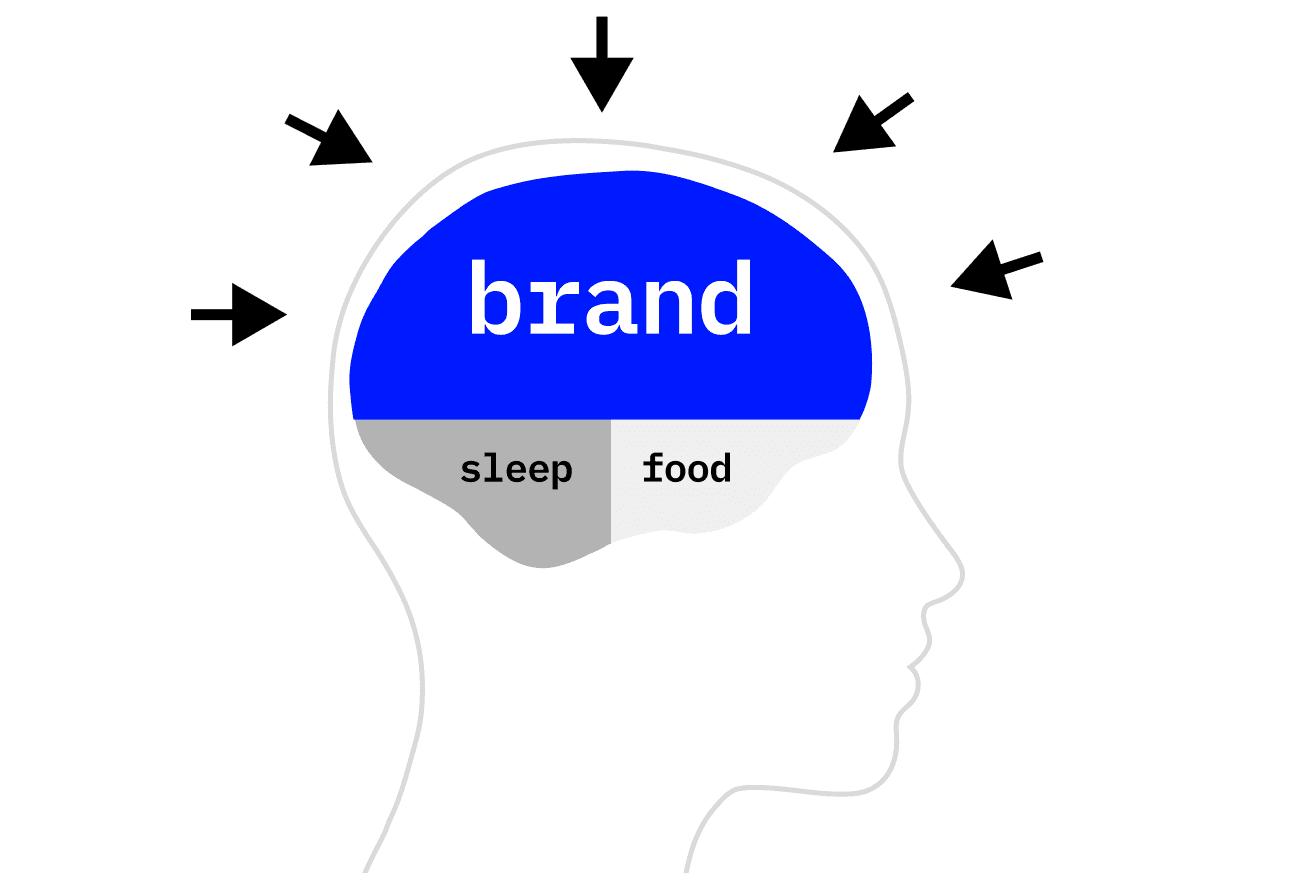
Positioning is the place your brand occupies in the customer's mind relative to competitors. Not what you think about yourself, but what first comes to mind when someone recalls your category. And if you don't take that place deliberately, it will be taken for you — by chance, and probably not in your favour.
Why the business needs it, not just the marketer
Clear positioning saves money. When it's clear who you are and for whom, it's easier to write copy, choose channels, cut off the wrong audience and stop burning budget on people who won't buy anyway. A vague «we do it well and with love» sets you apart for no one.
What strong positioning is made of
- Audience: who you're really for and which of their problems you solve.
- Category: what you're compared with and which line-up you stand in.
- Difference: how you're truly different — not «quality», but specifics.
- Reason to believe: proof, not promises — cases, numbers, facts.
All four points can't be invented at a desk. We assemble them from research: we look at the market, the competitors and — most importantly — talk to real customers. It often turns out people buy from you for something completely different from what you considered your advantage.
Positioning isn't a slogan or a line on the website. It's a decision about exactly what you should be chosen for. Everything else follows.
SEKTA
Once positioning is found and tested, it becomes the foundation for everything: identity, communication, product, even hiring. One precise answer to «why you?» aligns dozens of decisions that used to be made at random.